Welcome! What is Plastic Pollution?
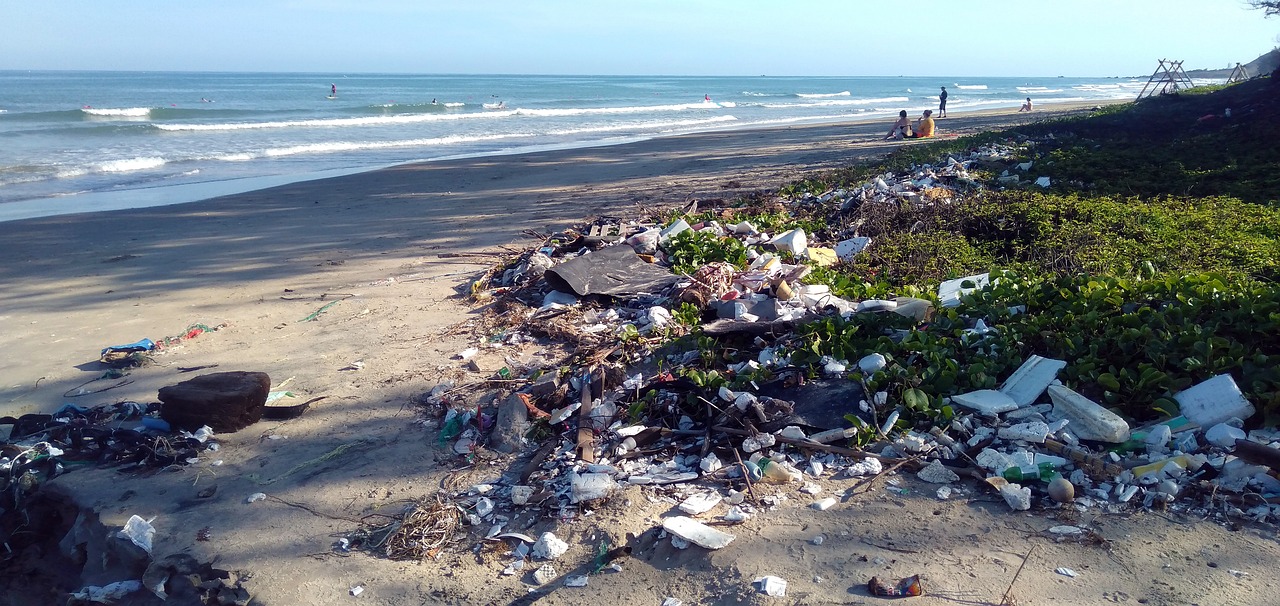
Plastic Pollution is the accumulation of plastic waste and its impact on a natural area, specifically oceans, rivers, lakes, and land. It is a worldwide environmental issue, but this page specifically talks about the U.S. and its contribution to the world's plastic pollution. Plastic is created from fossil fuels that are over a century old, allowing for life-changing inventions, a great advantage with everlasting consequences. Plastic pollution has a broader range of consequences for wildlife and ecosystems, and it can even affect the health of humans. According to this article on Earth.org, the U.S. is the most significant contributor to plastic waste, producing more waste than all EU countries combined. In the U.S., plastic pollution in the ocean is projected to reach 53m tons annually by 2030 unless action is taken.
Discover the dynamic journey of plastic disposal methods in the United States over the past decade. The interactive chart provides insight into the quantities of plastic recycled, incinerated, mismanaged, and landfilled each year, offering a comprehensive view of the nation's efforts in managing plastic waste.
Plastic Disposal over a Decade
Understanding how plastic waste is managed is crucial for creating sustainable solutions. Join us in exploring the data and fostering awareness about responsible plastic disposal practices.
Let the visual journey begin! Select a disposal method and witness the evolution of plastic waste management in the United States. The data in the chart below is from Our World in Data.
Why it does it matter?
Understanding and being aware of plastic pollution and its effects on the globe is crucial to achieving an impact on plastic pollution and working towards a more sustainable environment for the earth. In the last decade, we have produced more plastic than in the previous century; the EPA (Environmental Protection Agency) stated that 100% of all plastic ever created exists. The U.S. contribution to pollution has impacted land and water communities and ecosystems. Plastic is one of the most enduring materials; it can take hundreds of years for plastic to degrade, possibly only degrading into microplastics, according to an article by Marta Fava. This pollution is one of the leading causes of marine life extinction and destruction of our ecosystems.